Why Is My Business Internet or Wi-Fi So Slow? Causes and Fixes
The common causes of slow business internet and office Wi-Fi, how to find the problem and how to fix it.
The difference between Cyber Essentials and Cyber Essentials Plus, what each costs, the April 2026 changes and which your business needs.

Cyber Essentials is the UK government-backed scheme that shows your business has basic cyber security controls in place. It is increasingly asked for in tenders, by larger customers and by insurers. But there are two levels, Cyber Essentials and Cyber Essentials Plus, and the scheme’s requirements changed in April 2026. This guide explains the difference between them, what each costs, and which your business is likely to need.
Both levels are built on the same five technical controls, which together block the majority of common, opportunistic attacks:
With Cyber Essentials, you complete an online questionnaire and a certification body checks your answers. There is no technical testing. With Cyber Essentials Plus, an assessor carries out hands-on tests, which typically include checking a sample of your devices for missing updates and testing whether malicious attachments and downloads would be blocked.
You need Cyber Essentials before you can get Plus. If you take them separately, the Plus assessment generally has to be completed within three months of your Cyber Essentials certificate. Some certification bodies offer both together in one engagement.
Cyber Essentials is achievable for a well-run small business in a few days of preparation. Plus needs more preparation, because the assessor will find any device that is out of date or misconfigured, so it pays to get your IT properly in order first.
Plus gives customers more confidence, because your controls have been independently tested rather than described. That is why it is more often required for public sector contracts, larger supply chains and some insurers.
A new version of the Cyber Essentials requirements, with the question set known as “Danzell”, applied to assessments from 27 April 2026. The changes that matter most for small businesses are:
If your business got Cyber Essentials before these changes, check you meet them before renewing.
IASME, which runs the scheme, publishes its assessment fees by organisation size: £210 + VAT for micro businesses (0–9 employees), £245 for small businesses (10–49), £262.50 for medium (50–249) and £300 for large organisations. Some certification bodies bundle extra support with the assessment and charge more.
Plus is priced by each certification body, mainly according to the number of users, devices and sites to be tested. As an example, one certification body publishes Plus prices of around £1,500 + VAT a year for organisations with up to nine users and around £2,000 + VAT for 10–49 users, including the certification fee. Larger or more complex businesses are usually quoted individually.
The certificate fee is only part of the cost. You may also need time from your IT provider to switch on MFA everywhere, update or replace unsupported devices, tighten admin rights and document your setup. For businesses whose IT is already well managed, this is often small; for businesses with older devices or no MFA, it is where most of the work lies.
If you’re not sure, check the exact wording of the contract or questionnaire: many tenders now ask for Plus by name.
Our cyber security checklist for UK small businesses goes through the basics in more detail.
We help businesses in Birmingham and across the West Midlands get their IT ready for Cyber Essentials: switching on and enforcing MFA in Microsoft 365, keeping devices patched within the 14-day window, managing endpoint protection and replacing unsupported equipment. Once your systems are in order, you complete the assessment with a certification body. See our cybersecurity services, or get in touch on 0121 233 0200 for a review of where you stand.
Both cover the same five security controls. Cyber Essentials is a verified self-assessment questionnaire; Cyber Essentials Plus adds hands-on technical testing by an assessor to confirm the controls work.
IASME’s published assessment fee is £210 + VAT for micro businesses, rising to £300 + VAT for large organisations. Preparation work by your IT provider is extra.
It is priced by each certification body, mainly by the number of users and devices. Published prices for small organisations start at around £1,500 + VAT a year.
Certification is valid for 12 months, after which you need to recertify.
No. You need Cyber Essentials first, and Plus generally has to be completed within three months of it, although some certification bodies offer both together.
Keep reading
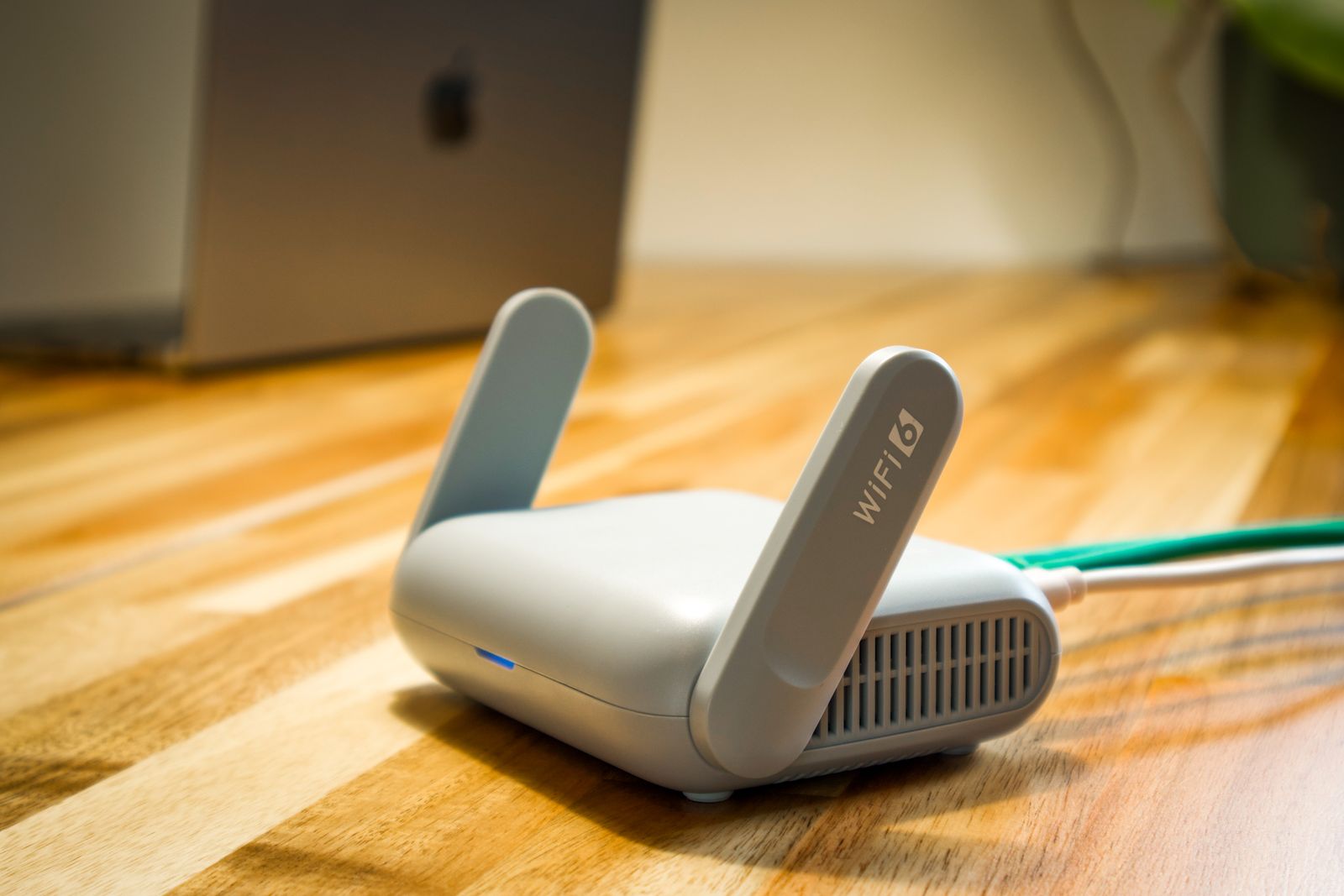
The common causes of slow business internet and office Wi-Fi, how to find the problem and how to fix it.

What a business continuity plan is, what to include, and a free template small businesses can copy and complete.

Put the advice into practice
Discuss your business systems, support needs and next IT project with our Birmingham team.